
Serengeti National Park
The Serengeti, the Maasai word for “endless plain”, is one of Tanzania’s oldest national parks and one of Africa’s 7 natural wonders.

Escape
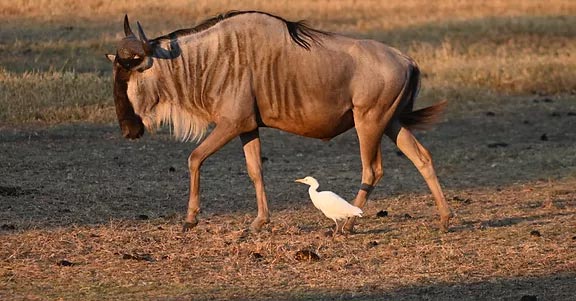
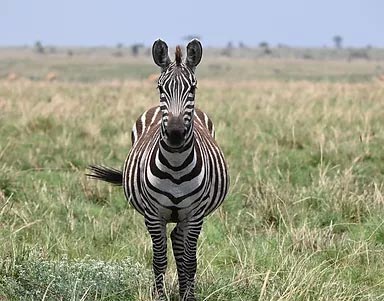
It is famous for its great migration. Every year, the same ancestral cycle is repeated, starting with the migration of zebras (around 200,000), followed by Thomson gazelles (around 300,000) and finally wildebeest (around 1,000,000). The wildebeest move through the Serengeti eco-system, following the rains and the fat grass that grows.
Migration highlights: in the north, the dangerous crossing of the Mara River, in the center, the Seronera River, and in the west, the Grumeti River.
When the migration is over, the Serengeti offers an equally beautiful spectacle: it’s populated by buffalo, impala, Grant’s gazelle, topis or damalisques, hartebeest, then elephants and giraffes in small groups. Predators are numerous, especially the lion in the trees depending on the time of year, the leopard in the sausage trees along the Seronera River and the cheetah on the plains, the spotted hyena or the rarer striped hyena and smaller ones like the jackal, the magnificent serval (difficult to see) and the rare caracal, the civet, genet…
The Serengeti is also home to more than 500 species of birds, including ostrich, serpent eagle and martial eagle, as well as smaller birds such as guinea fowl, lilac-throated roller and metal speckle. Over 100 species of beetles and reptiles, including Nile crocodiles, monitor lizards, leopard tortoises, the colorful male agama and, with luck, the great python.
It’s a combination of different environments: plain, savannah, forest, where each animal has a place and plays a decisive role in this eco-system.
Finally, the lights of the Serengeti leave no one indifferent, and the sunsets that set the sky ablaze are second to none.